

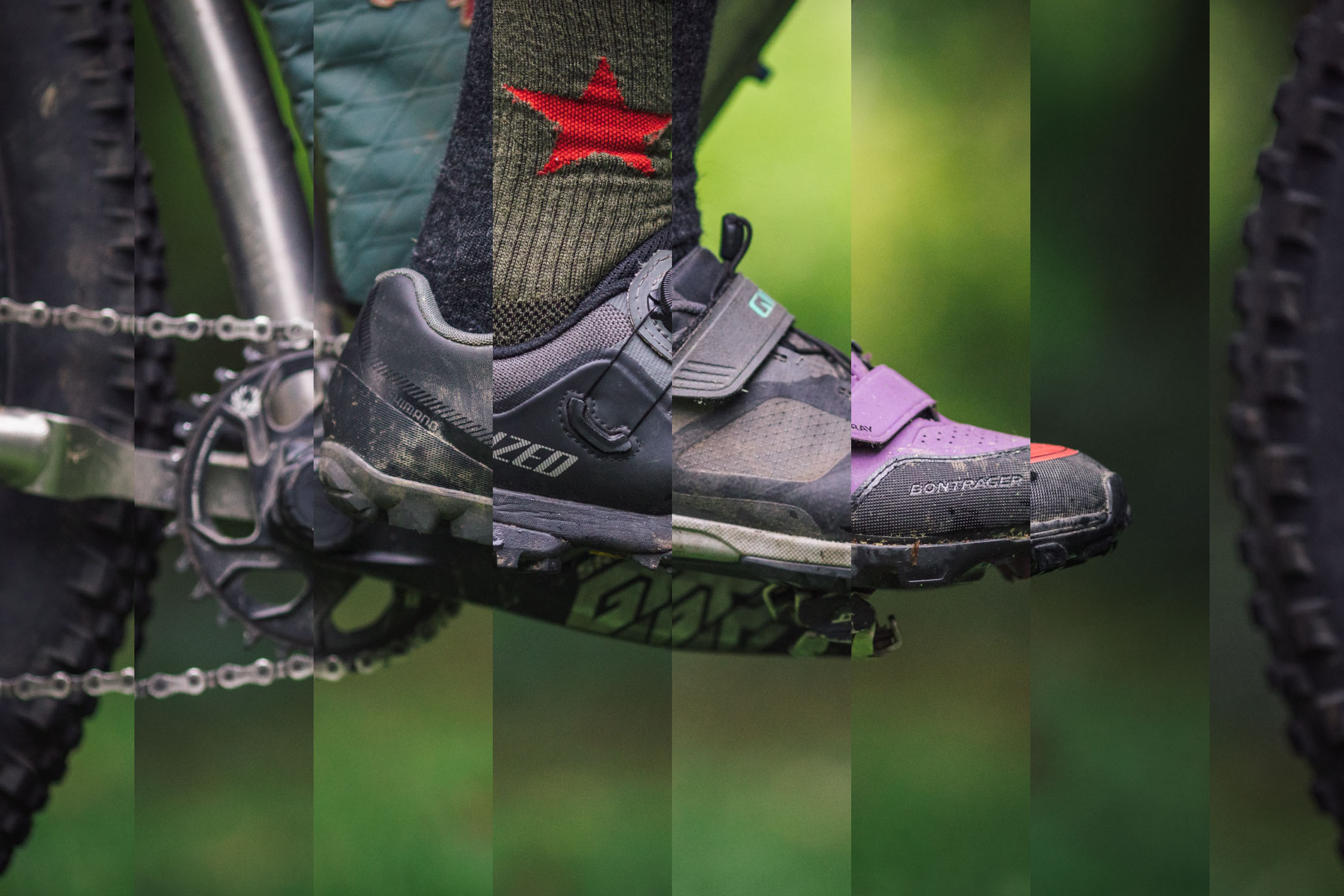
How to Choose Best Touring Shoes?
Touring requires a specific type and make of cycling/bike/mountain shoes. Shoes connect your foot to the pedal, and that is where you get all the power to keep cycling/riding. Your touring shoes should not be too soft or too rigid to be uncomfortable for a long-distance ride.
Bike touring is fun, but it requires a lot of planning and preparation to be enjoyable. Touring bikes are suitable for long-distance riding/cycling through states or entire cities for days or weeks. To make touring comfortable, you need the best touring shoes.
- When you can ride a bike with sneakers, using touring specific shoes will provide a greater connection to the bike, save weight, and improve overall performance.
- The stiff soles and mechanical connection to the pedals of cycling shoes improve comfort and efficiency
- You can choose from laces, Velcro straps, ratchet buckles and wire dials to keep your cycling shoes on your feet
If you need to know more about the right cycling shoes for you, here are some considerations to make.
1. Ventilation :
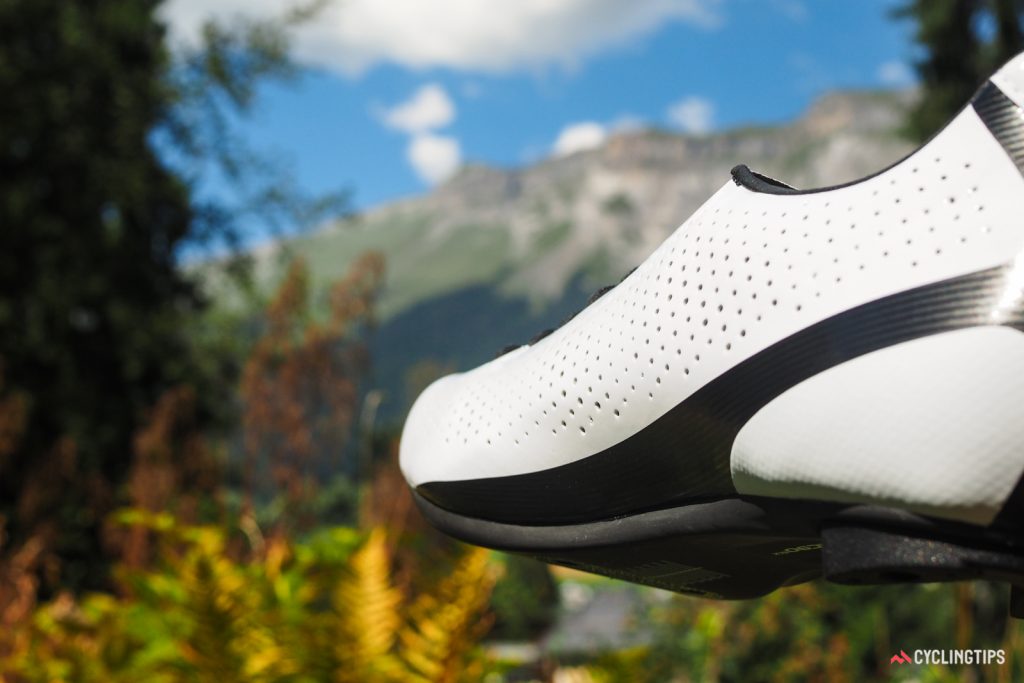
The first thing that you notice when you buying new touring shoes is the ventilation of shoes. The goal of shoe ventilation is to maintain an interior shoe temperature as close to the ambient air temperature as possible. When you go on a trip it is impossible to predict the weather, and you don’t know what you will encounter on long-distance trips.
You might have to ride through streams or when it’s raining, so having shoes with good ventilation will help. This feature makes it easier for them to dry so that you aren’t riding around in uncomfortable wet shoes. Breathable shoes are also better for touring cyclists due to the distance and nature of the rides.
2. Typs of Closure :
The top of your cycling shoe is essential because this is where you adjust the shoe. You need to be able to quickly and efficiently adjust cycling shoes no matter where you are cycling. There are three main types of closures that can help you. You can choose between Laces, Velcro straps, and BOA lacing.
Laces :
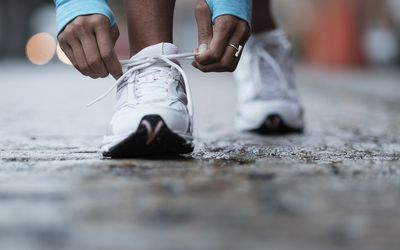
Laces may not be the best option because you can’t adjust your shoe’s tightness while riding your bike. It takes much longer to loosen, you’ll need to get off your bike. Firstly, in wet and muddy weather laces get dirty and pick up a lot of water. Secondly, if your laces become undone during your ride they could end up getting stuck in your chain! which can be dangerous.
Velcro Straps :
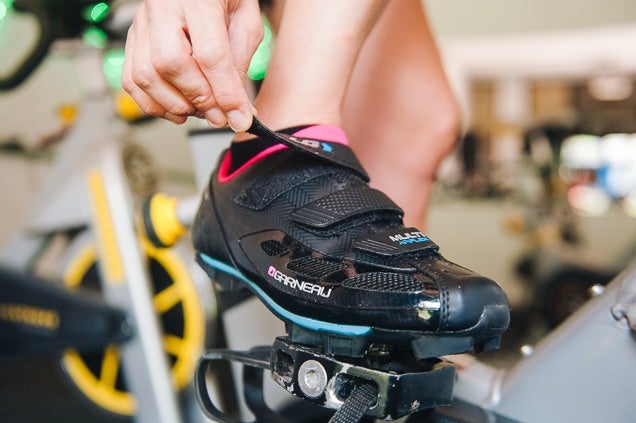
Velcro Straps are more popular because they are quick and easy to open. I personally like Velcro straps. You can adjust your shoe even when riding your bike. One Disadvantage of Velcro straps is that they get dirty easily, especially if you ride in the mud, so you will have to clean them more often.
BOA Dials :
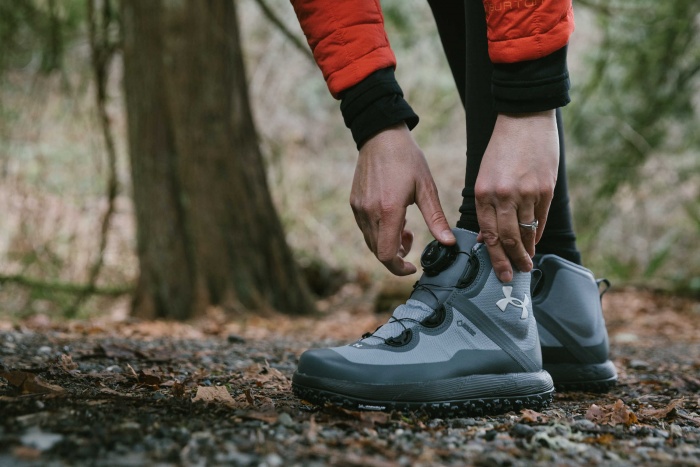
BOA Dials is a good choice for most riders. It is a dial system that can evenly distribute pressure across the top of shoes, creating a more snug fit. To adjust them, you can simply turn the knob for a tighter fit or quick release to loosen. On newer model shoes with boa lacing, it is possible to tighten or loosen your cycling shoes by turning the boa dials either way, instead of using the quick release. They are also comfortable and more convenient when touring. For this reason, boa dials are now used on all top-of-the-range road and mountain bike shoes. Touring shoes with boa dials are my favorite, because of how easy they are to adjust and the snug fit feels they create.
3. Sole Design :
The soles of your shoes will significantly determine your comfort when cycling.
- Midsoles are the layer in between your foot and the outer sole. They should feature quality padding to provide additional support for hours of pedaling.
- Outsoles refer to the part of your cycling shoe that is in contact with the ground or pedals when riding.
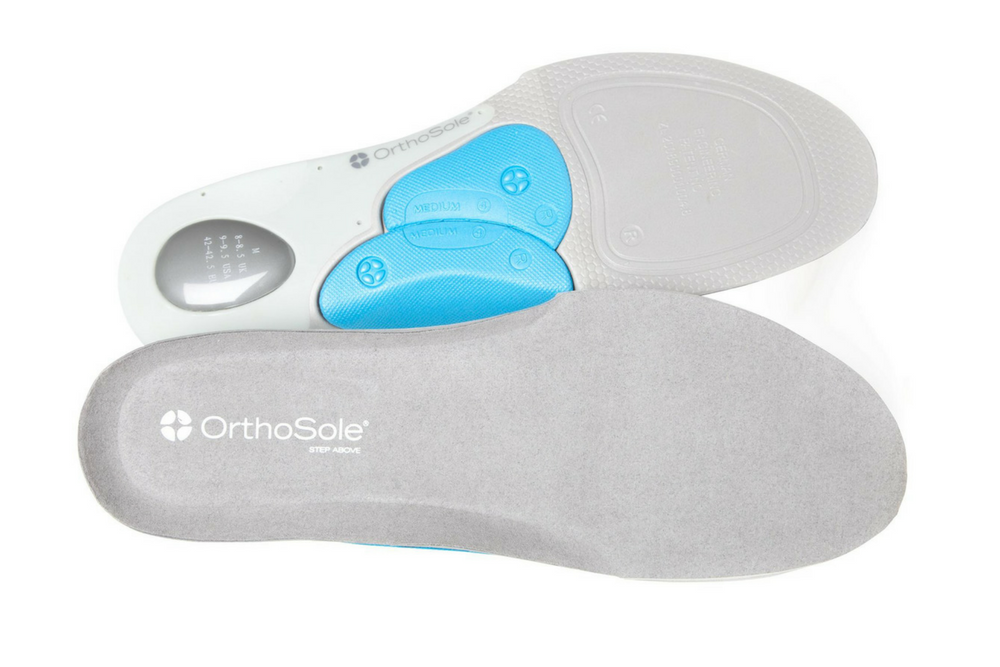
Touring shoes require outsoles that are soft and sticky to grip the pedal better when riding your bike. Some of the best touring cycling shoes have rubber soles and deeper grooves for a better grip, even when the weather is terrible.
Road bike shoes are not designed for extended walking due to their lack of traction on the sole, their inability to flex, and typically, cleats that protrude from the soles (and sound like tap shoes when walking).
Avoid choosing cycling shoes that are too rigid. These might be too uncomfortable for you to even walk with when off your bike. They should also be flexible for easier and faster movement.
4. Clipless Shoes Vs. Flat Shoes :
When deciding on the perfect cycling shoes, you can choose between clipless shoes and flat shoes.
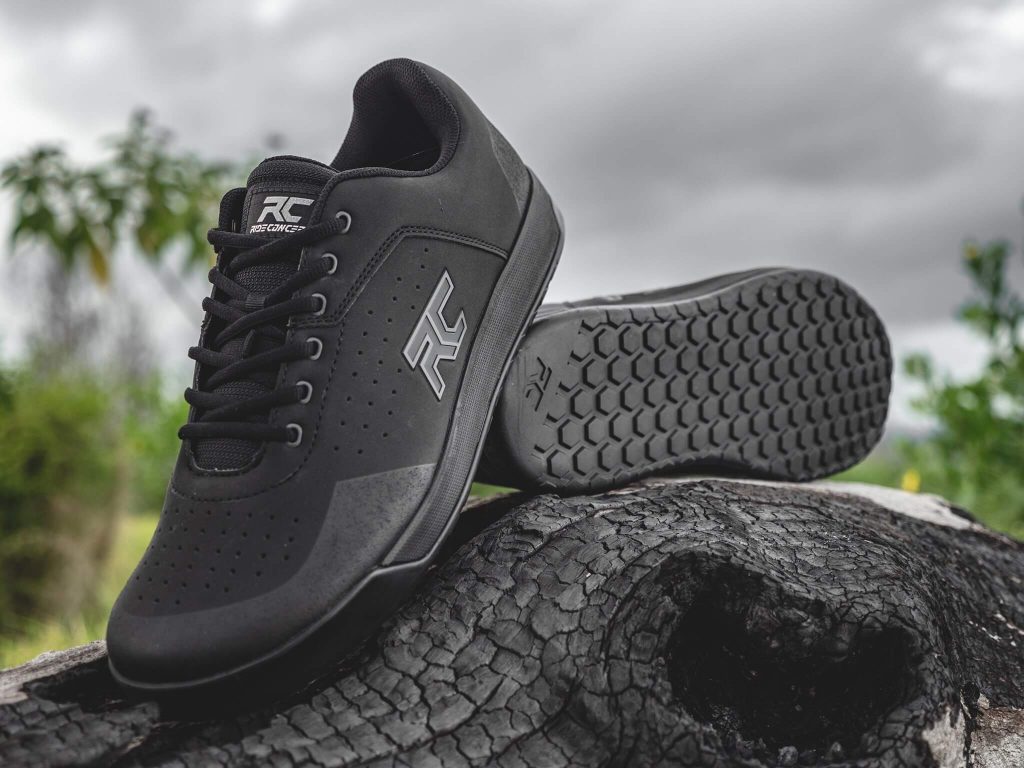
Flat Shoes are compatible with a flat pedal which is the standard bicycle pedal. The flat pedal is compatible with almost any cycling shoe. These bike shoes don’t have cleats and fit on flat, wider platform pedals. Their grippe rubber outsoles are designed for better traction and to “stick” to pedals. Because you don’t clip in or out, it’s easy to step on and off the bike, which is convenient when riding trails. They’re a good choice for casual riding, trail riding, or more technical riding.
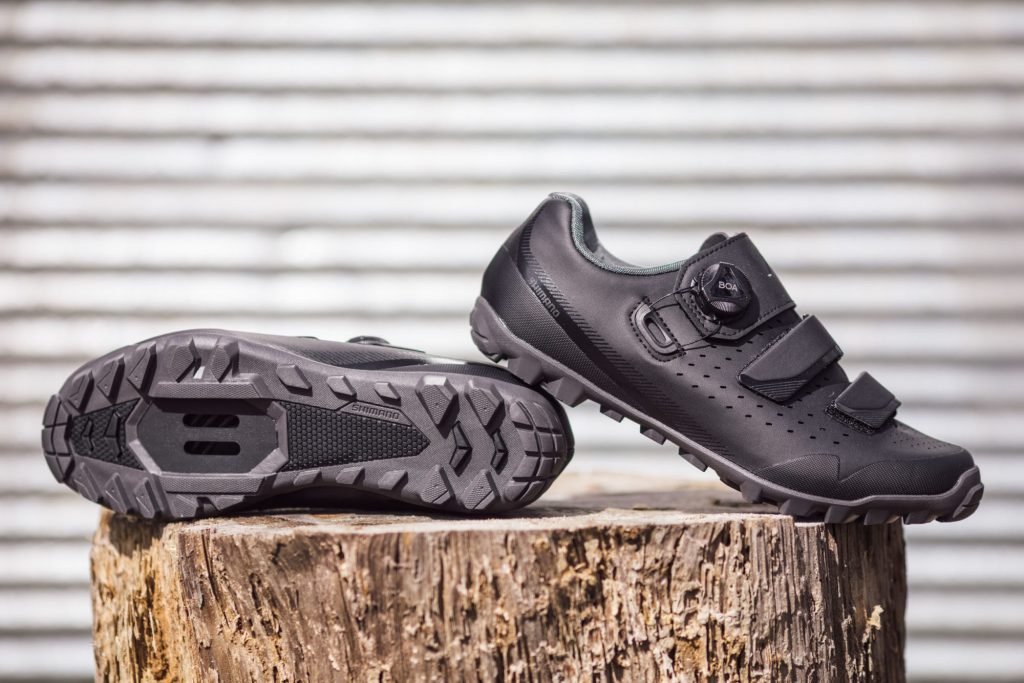
Clipless shoes mean that your touring shoes clip into the bicycle pedal. They are great because you can quickly transfer power between your leg and the bike pedal. By clipping in your shoe to the pedal, you also exert power when pulling up when cycling. Clipless shoes allow you to “clip in” to a special type of cycling pedal using cleats. This allows you to exert power not only when you are pushing down on the pedal, but also when you are pulling up. It ensures that your leg and foot muscles work in harmony with one another, and avoids the scenario where you put more strain on one muscle group than the other.
They are also far safer to use than flat shoes. Touring shoes that clip into your pedals will keep your feet and legs stable. This is important, as it allows you to have greater control of your bicycle/bike. If you are riding/cycling on bumpy roads, especially at a high speed, then clipless touring shoes will keep your feet connected to your pedals at all times.
For buying high quality and more comfortable pair of Touring Shoes Visit__ FASAGROUP
Product Link__ https://fasagroup.com/?post_type=product


Comment (1)
You are my aspiration, I own few blogs and infrequently run out from to brand : (.