
Coveralls vs Bib Overalls: Choosing Styles for Your Product Range
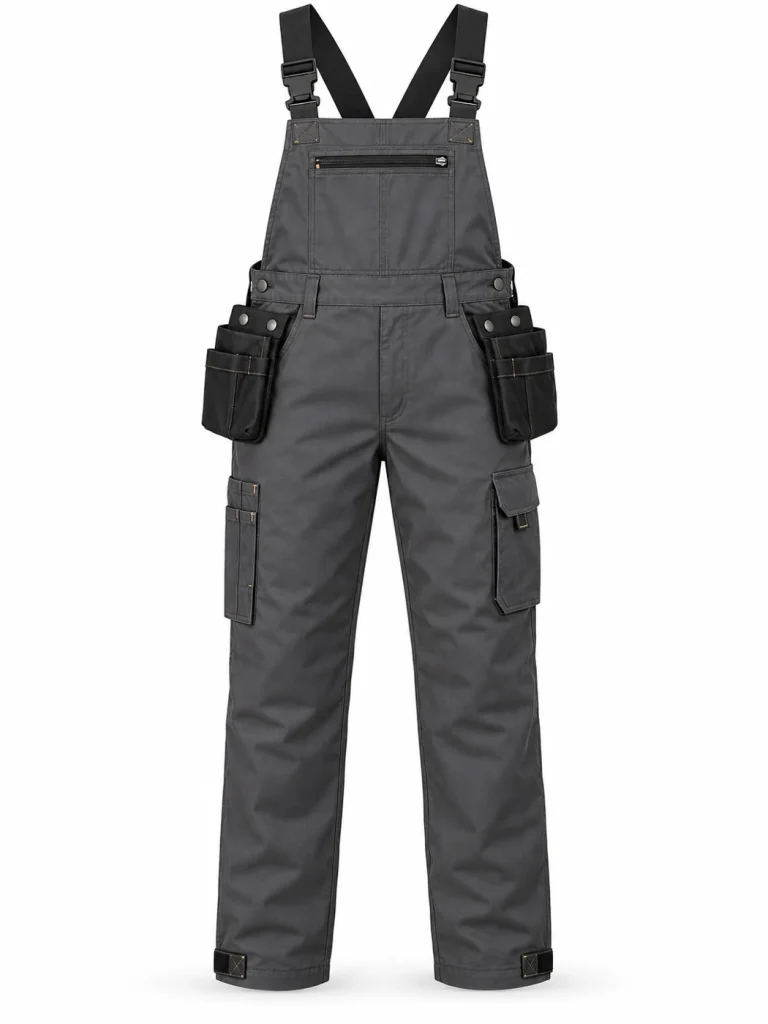
Compare coveralls and bib overalls by the garment coverage and wearing configuration required by your range. The format changes the pattern, openings and interfaces the buyer must specify. Neither name establishes suitability for a hazard or a protective standard without a separate claim and evidence review.
In this guide
Compare the construction decisions
| Brief area | Coverall direction | Bib-overall direction |
|---|---|---|
| Upper body | Torso and sleeve configuration | Bib, straps and upper opening |
| Fit relationship | Torso length connected to rise and legs | Bib/strap arrangement connected to waist and trousers |
| Access | Front or other specified opening | Side/waist and strap adjustments as specified |
| Layering | Review the complete garment over defined underlayers | Review with the intended shirt or jacket combination |
Define the sample configuration before comparing fit
Provide base-size measurements, adjustment conditions and the underlayers used for review. For coveralls, make torso length and movement checks explicit. For bib overalls, record strap and side-adjustment positions so two reviewers are not assessing different settings.
Keep range and quotation differences visible
- List pocket positions and closures for each format.
- Identify material, reinforcement and lining proposals separately.
- State intended size/colour quantities for each distinct style.
- Show logo and label positions on the actual garment format.
- Record which intended claims, if any, need additional evaluation.
Mistakes to avoid
- Choosing a format from a photograph without defining underlayers and adjustments.
- Applying a trouser-only size chart to an integrated coverall.
- Assuming added coverage automatically establishes protective performance.
Prepare the next decision
Choose the format that matches the documented use and component plan. Send separate measurement and construction briefs for each proposal before asking for a normalized quotation comparison.
For catalogue context, explore the Coveralls & Overalls collection and review Low-Back Bib & Brace Overalls as a catalogue design reference; confirm its documented concept/sample status before using it in a production brief. Discuss your development requirements through the manufacturing and sampling process.
Related Buyer Guides
Workwear
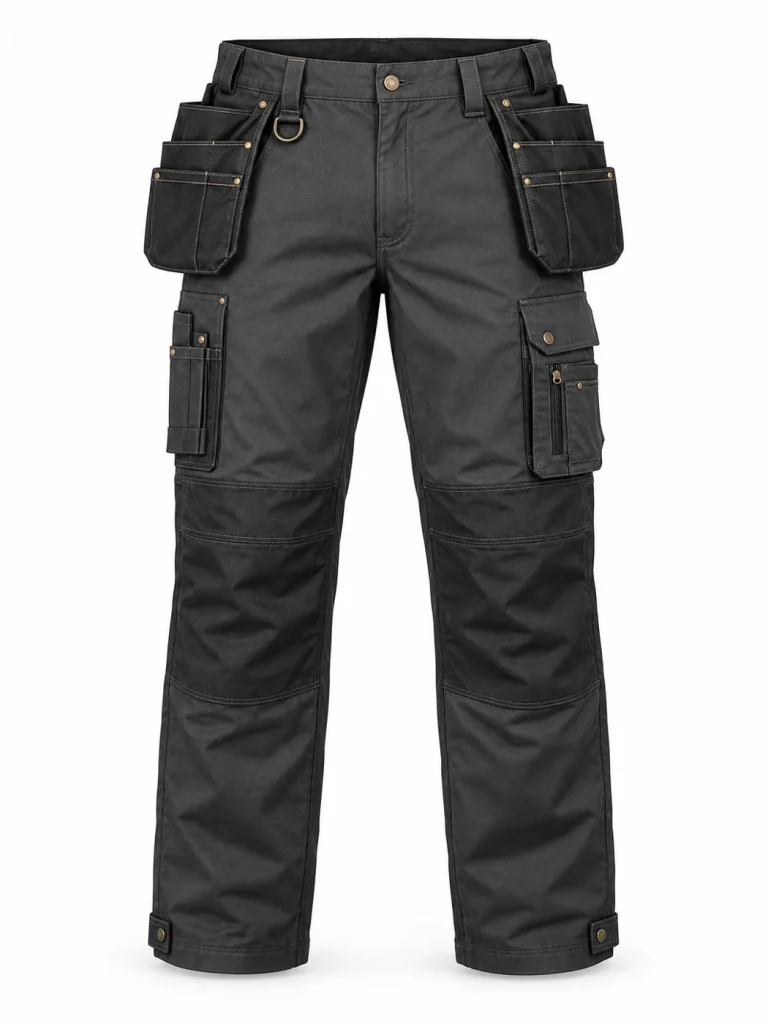
Work Trousers: Pockets, Reinforcement and Fit Options
Specify work trousers with a pocket map, reinforcement plan and fit method that reflect the intended tasks. Functional-looking details are not a substitute for dimensions or evidence.
Read the guide : Work Trousers: Pockets, Reinforcement and Fit OptionsWorkwear
Workwear Size Charts: Planning Consistent Fit Across a Range
Consistent workwear sizing starts with consistent measurement definitions, not identical numbers across every garment. A jacket, shirt, trouser and coverall play different roles in a uniform system.
Read the guide : Workwear Size Charts: Planning Consistent Fit Across a RangeOther Apparel
Apparel Range Planning: Coordinating Sportswear, Casual and Streetwear Styles
Plan an apparel range as a set of linked but individually specified styles. Shared colours, logos or packaging can make the collection easier to coordinate, but they do not remove differences in fit, materials and construction.
Read the guide : Apparel Range Planning: Coordinating Sportswear, Casual and Streetwear StylesLet’s Discuss Your Next Collection
Share your references, specifications and requested quantities. Materials, feasibility, pricing and timing are confirmed for your project.