
Workwear Size Charts: Planning Consistent Fit Across a Range
Consistent workwear sizing starts with consistent measurement definitions, not identical numbers across every garment. A jacket, shirt, trouser and coverall play different roles in a uniform system. Keep size naming aligned while defining the finished dimensions and layering requirements appropriate to each style.
In this guide
Distinguish the shared size system from each fit block
Identify the target wearer reference and explain whether a chart lists body measurements or finished-garment dimensions. Give each style its own measurement points and base-size values. Record how shirts and jackets are intended to layer rather than assuming that a shared size name guarantees compatibility.
Use clear methods for the dimensions that matter
| Garment area | Instruction to document |
|---|---|
| Upper body | Chest method, shoulder/sleeve landmarks and closure condition |
| Trousers | Waist state, rise, hip, thigh and leg-opening method |
| Coveralls | Torso relationship and the intended adjustment/closure condition |
| Adjustable features | Which setting is used when the dimension is taken |
| Grading | Size-to-size changes for each defined point |
Control sample and order references
- Keep size names identical across charts, labels and quantity schedules.
- Identify the sample size and underlayer configuration in review comments.
- Agree tolerances rather than borrowing an unexplained universal value.
- Update grade rules when approved base measurements change.
- Review selected size combinations where layering compatibility needs confirmation.
Mistakes to avoid
- Mixing waist circumference and flat waistband width in one comparison.
- Applying one grade increment to all measurement points.
- Changing label size names without updating order and packing references.
Prepare the next decision
Issue a range-level size dictionary plus garment-specific measurement sheets. Ask the supplier to resolve unclear methods before producing the size samples or confirming the order breakdown.
For catalogue context, explore the Workwear & Safety Wear collection. Discuss your development requirements through the manufacturing and sampling process.
Related Buyer Guides
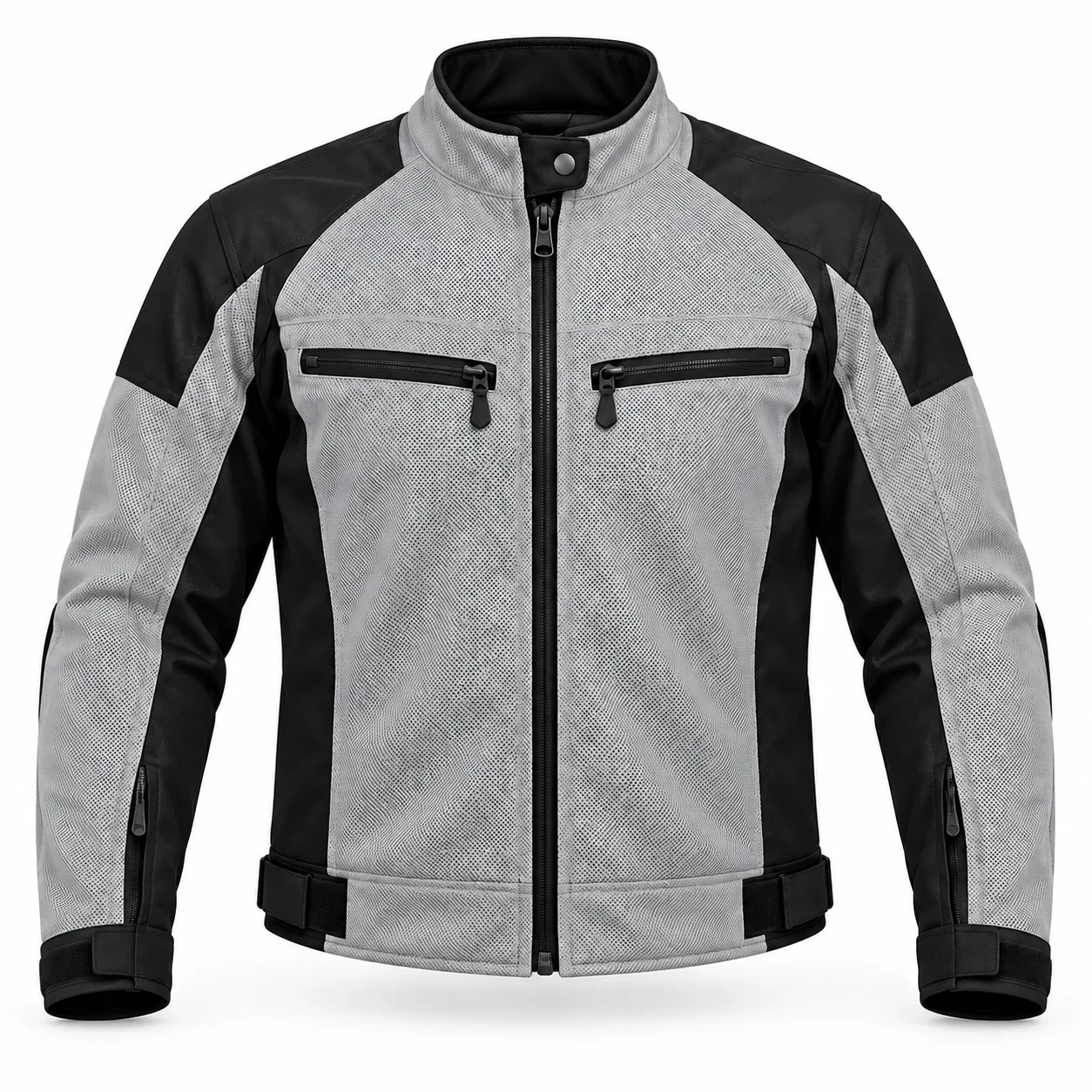
Motorcycle Wear
Motorcycle Jacket Size Charts: Measurements and Grading for Brands
A motorcycle-jacket size chart is usable only when the measurement method is clear. Separate body measurements from finished-garment dimensions, identify the base size and record how each point changes across the range.
Read the guide : Motorcycle Jacket Size Charts: Measurements and Grading for BrandsGloves
Glove Size Charts: Hand Measurements and Size Grading
A glove size chart needs a shared measurement method and a clear distinction between the hand being fitted and the finished glove. Letter sizes or numbers alone do not make two suppliers' fits equivalent.
Read the guide : Glove Size Charts: Hand Measurements and Size GradingWorkwear
Workwear Sample Inspection: Measurements and Workmanship Checklist
Inspect a workwear sample against a specific revision and a clear review method. The purpose is to identify whether the sample represents the agreed product and which questions remain open.
Read the guide : Workwear Sample Inspection: Measurements and Workmanship ChecklistLet’s Discuss Your Next Collection
Share your references, specifications and requested quantities. Materials, feasibility, pricing and timing are confirmed for your project.