Private Label Casual Jackets: Sampling and Specification Guide
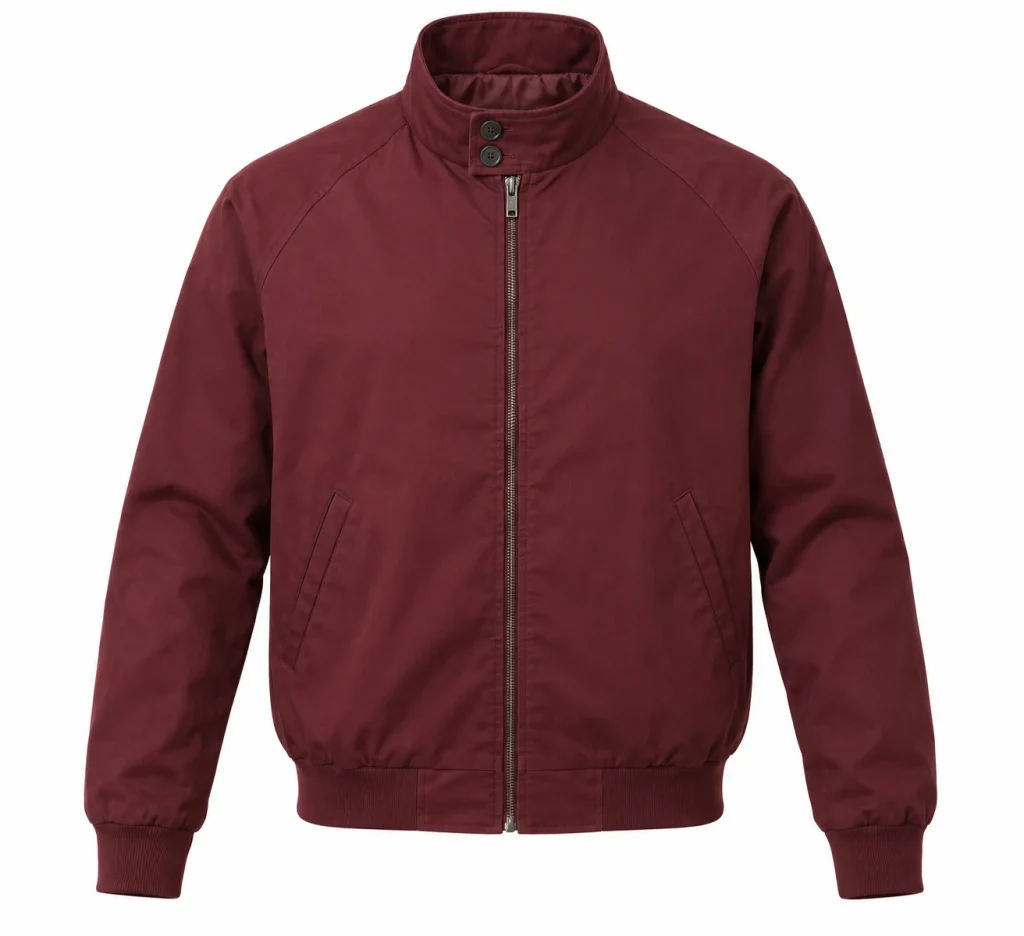
Develop a private-label casual jacket by defining the silhouette and complete configuration the sample should represent. A bomber, overshirt-style jacket or other casual proposal needs its own fit and construction decisions. Keep those decisions distinct from the protective or specialist claims associated with unrelated product families.
In this guide
Choose the construction baseline
| Area | Decision to specify |
|---|---|
| Body | Silhouette, length and panel arrangement |
| Layers | Shell, lining and any additional included components |
| Openings | Front closure, collar, cuff and hem details |
| Pockets | Position, entry, dimensions and closures |
| Finish | Material, colour and appearance references for review |
Identify what each sample can answer
State the sample size and the measurements used to review fit. If temporary trims or materials are used, mark them before approval. Ask whether a revised material changes drape, dimensions or assembly enough to need another sample instead of carrying the old appearance approval forward automatically.
Coordinate the private-label package
- Artwork and label versions with finished dimensions.
- Measured placement clear of seams and pocket access.
- Application proof on the proposed material where needed.
- Pack contents and size/colour breakdown.
- A record of accepted deviations and changes requiring new approval.
Mistakes to avoid
- Approving a silhouette without naming its layer configuration.
- Assuming a casual catalogue concept is already manufactured stock.
- Letting a trim substitution bypass artwork or fit review.
Prepare the next decision
Send the construction baseline, measurements and branding pack together. Ask for the sample stages and outstanding decisions that must be closed before the manufacturing quotation is confirmed.
For catalogue context, explore the Casual Jackets collection and review Cotton-Twill Harrington Jacket as a catalogue design reference; confirm its documented concept/sample status before using it in a production brief. Discuss your development requirements through the manufacturing and sampling process.
Related Buyer Guides
Workwear
Custom Work Jackets: A Manufacturing Specification Checklist
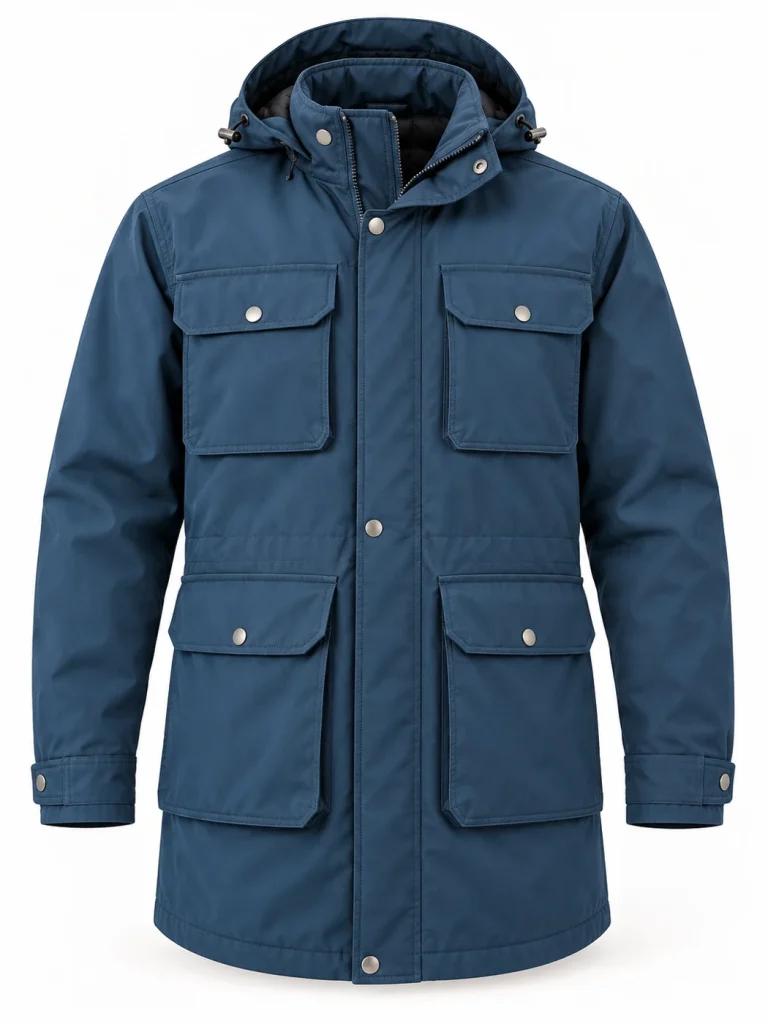
A custom work-jacket specification should explain how the garment is assembled and used, not just how it looks from the front. Map the pockets, closures and adjustment points, define the intended layering and show where branding belongs.
Read the guide : Custom Work Jackets: A Manufacturing Specification ChecklistManufacturing & Sourcing
Apparel Sampling: From Initial Brief to Approved Sample
Plan sampling as a sequence of decisions, not a request for one sample that must answer every question. An early prototype may resolve shape while later samples confirm materials, fit, branding or production configuration.
Read the guide : Apparel Sampling: From Initial Brief to Approved SampleManufacturing & Sourcing
Approving a Production Sample: A Buyer’s Sign-Off Checklist
Approve a production sample by identifying exactly what it represents and which decisions are accepted. A general message saying looks good can leave material, fit or branding questions unresolved.
Read the guide : Approving a Production Sample: A Buyer’s Sign-Off ChecklistLet’s Discuss Your Next Collection
Share your references, specifications and requested quantities. Materials, feasibility, pricing and timing are confirmed for your project.