Workwear Fabrics: Comparing Composition, Weight and Intended Use
Compare workwear fabrics using a written set of requirements for the intended garments and care process. Composition, fabric weight and construction describe different aspects of a proposal. A larger weight number alone does not establish better quality, more comfort or adequate protection for a particular task.
In this guide
Ask for comparable material descriptions
State whether quoted weight refers to the supplied finished material and ask which variation is proposed for agreement. Do not create a tolerance by assumption; discuss a measurable acceptance basis with the supplier.
| Field | Why it belongs in the comparison |
|---|---|
| Composition | Identifies the declared fibres rather than an appearance-based guess |
| Mass per area | Makes weight proposals comparable when the same units are used |
| Fabric construction | Distinguishes proposals that share a composition but have different structures |
| Finish and colour | Records the requested appearance and treatment scope |
| Care process | Connects the material review to the garment's intended use after purchase |
Evaluate fabric in the garment configuration
Review swatches, then assess a sewn sample with the proposed lining, reinforcement, trims and decoration. Pocket bulk and seam behaviour can matter as much as the base cloth's description. Where appearance after cleaning matters, agree a review process rather than assuming the unwashed sample predicts the finished result.
- Identify which fabric belongs to each panel or garment family.
- Use the same cleaning and measurement conditions when comparing proposals.
- Record the reference sample and approved material revision.
- Ask how a later material substitution would be reviewed.
Mistakes to avoid
- Using GSM as a universal durability or protective rating.
- Comparing fabric-only samples while ignoring the proposed garment construction.
- Approving the original colour but leaving post-care appearance unreviewed.
Prepare the next decision
Create a material comparison sheet and identify the unresolved trade-offs. Confirm the selected proposal through the sample and quotation before calling it the production specification.
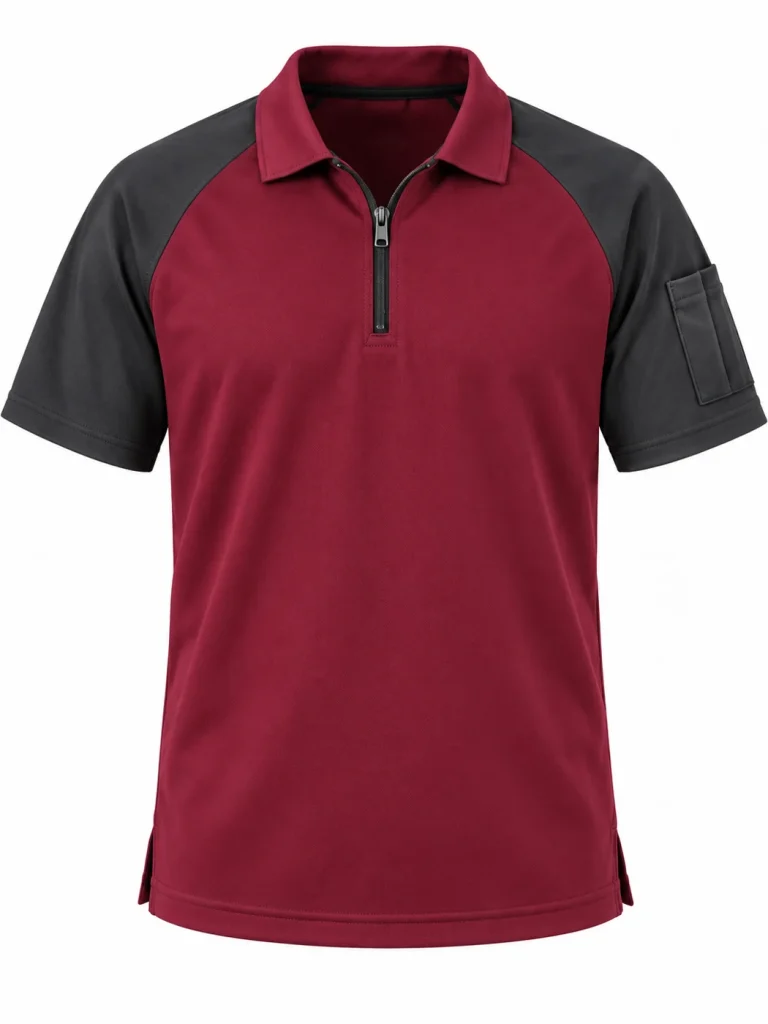
For catalogue context, explore the Workwear & Safety Wear collection and review Zip-Neck Work Polo as a catalogue design reference; confirm its documented concept/sample status before using it in a production brief. Discuss your development requirements through the manufacturing and sampling process.
Sources and further reading
Related Buyer Guides
Workwear
Industrial Laundering Requirements: Questions to Ask Before Manufacturing
If workwear is intended for industrial laundering, describe that care process during development rather than treating it as a detail for the care label later.
Read the guide : Industrial Laundering Requirements: Questions to Ask Before ManufacturingCasual Wear
Clothing Shrinkage and Colourfastness: Questions to Resolve Before Production
Resolve shrinkage and colourfastness questions by defining what will be evaluated, under which conditions and against which agreed acceptance basis. Do not use a generic wash promise or one fabric swatch to settle every question about the finished garment.
Read the guide : Clothing Shrinkage and Colourfastness: Questions to Resolve Before Production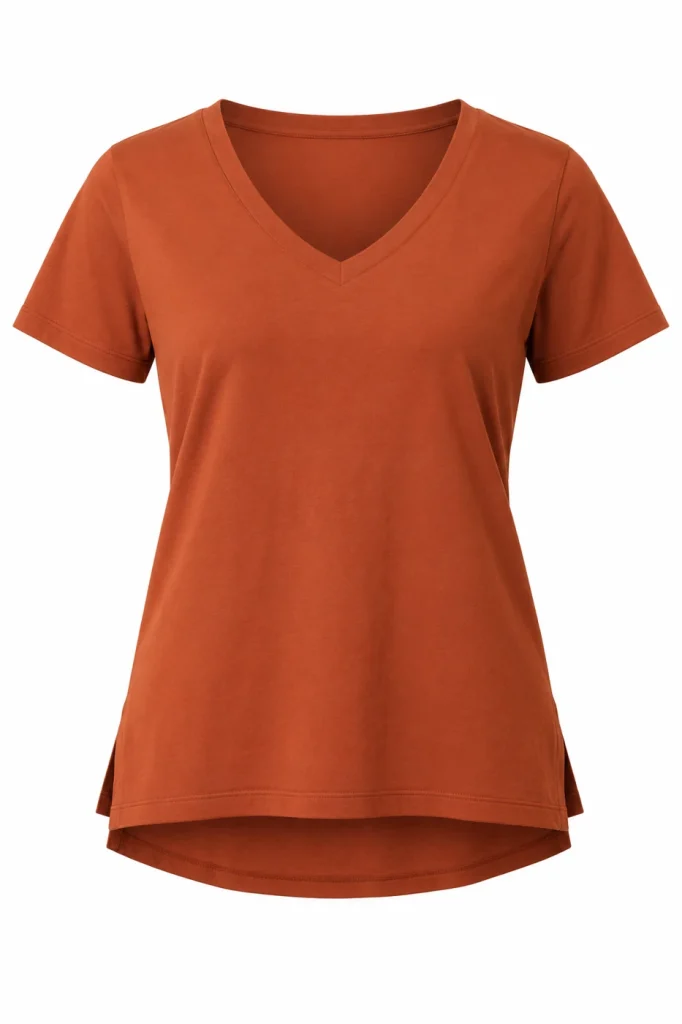
Casual Wear
Custom T-Shirts: GSM, Fabric Composition and Fit Explained
T-shirt GSM, fibre composition and fit describe different things. GSM expresses fabric mass in grams per square metre; composition identifies the declared fibres; fit concerns the garment's measurements and shape.
Read the guide : Custom T-Shirts: GSM, Fabric Composition and Fit ExplainedLet’s Discuss Your Next Collection
Share your references, specifications and requested quantities. Materials, feasibility, pricing and timing are confirmed for your project.